
Albuquerque Resident Lookup Records
No single roster holds every Albuquerque resident. Instead, official records answer narrower questions. A resident lookup works best when you know which office to ask. Bernalillo County Assessor parcel cards carry an owner of record, a mailing line, a situs address, and a tax year. That is a strong start for linking a name to land. The County Clerk’s Recorder Documents index layers on dated instruments and legal descriptions. Those details help when ownership changed hands over time. Court, voter, entity, credential, and vital records each tie a person to the city. They do so in their own limited way. One caution applies throughout: a mailing line on a parcel card is tax correspondence only. It does not prove that anyone actually lives at the property.
| Record | What It Confirms | Where | Access |
|---|---|---|---|
| Assessor property card | Owner of record, situs, mailing line, PARID, and selected tax-year context | Bernalillo County Assessor Public Access | Public after its disclaimer |
| Recorder index | Named parties, recorded date, instrument type, and legal description | Bernalillo County Clerk | Public index; Clerk handles certified copies |
| City directories | A dated published listing at an address or under a name | Special Collections and related repositories | Volume and repository rules apply |
| SERVIS voter data | Permitted public voter-file fields for an authorized request | New Mexico Secretary of State | Authorization and protected-field rules apply |
| State court case | A dated party and court association | Case Lookup and the named court | Case Lookup has no documents |
| Vital, entity, or credential record | A record-specific event, filing, or credential association | NMDOH, Secretary of State, or RLD | Restrictions vary by record type |
Let the question pick the record. A known address points toward a parcel card and a recording. A case number belongs to the court that keeps the file. A question about a past household may call for a directory year. It may not need a current tax card. Whatever the route, a resident lookup gains strength. Every source should carry its date, record type, and custodian.
Albuquerque Court Lookup Screening
New Mexico Case Lookup is the free starting screen for case information. It covers appellate, district, magistrate, metropolitan, and municipal courts. Search exact names and likely variants. Record the case number, court, filing date, category, and status if the screen shows them. Remember what a screen is not. The court system states plainly that Case Lookup does not provide documents. An entry alone proves nothing about identity or a final outcome. Get the disposition and independent identifiers before drawing any conclusion. For the document side, the re:SearchNM court-records page is the separate route.
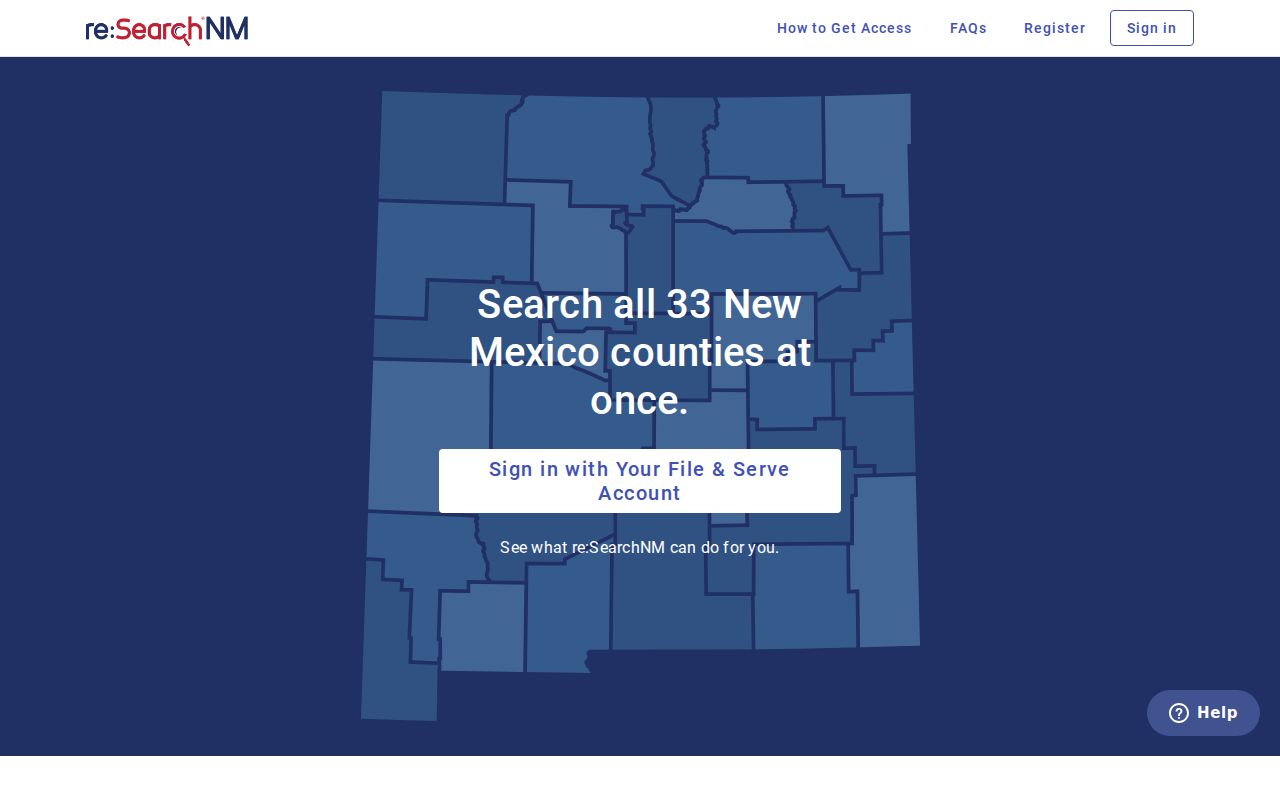
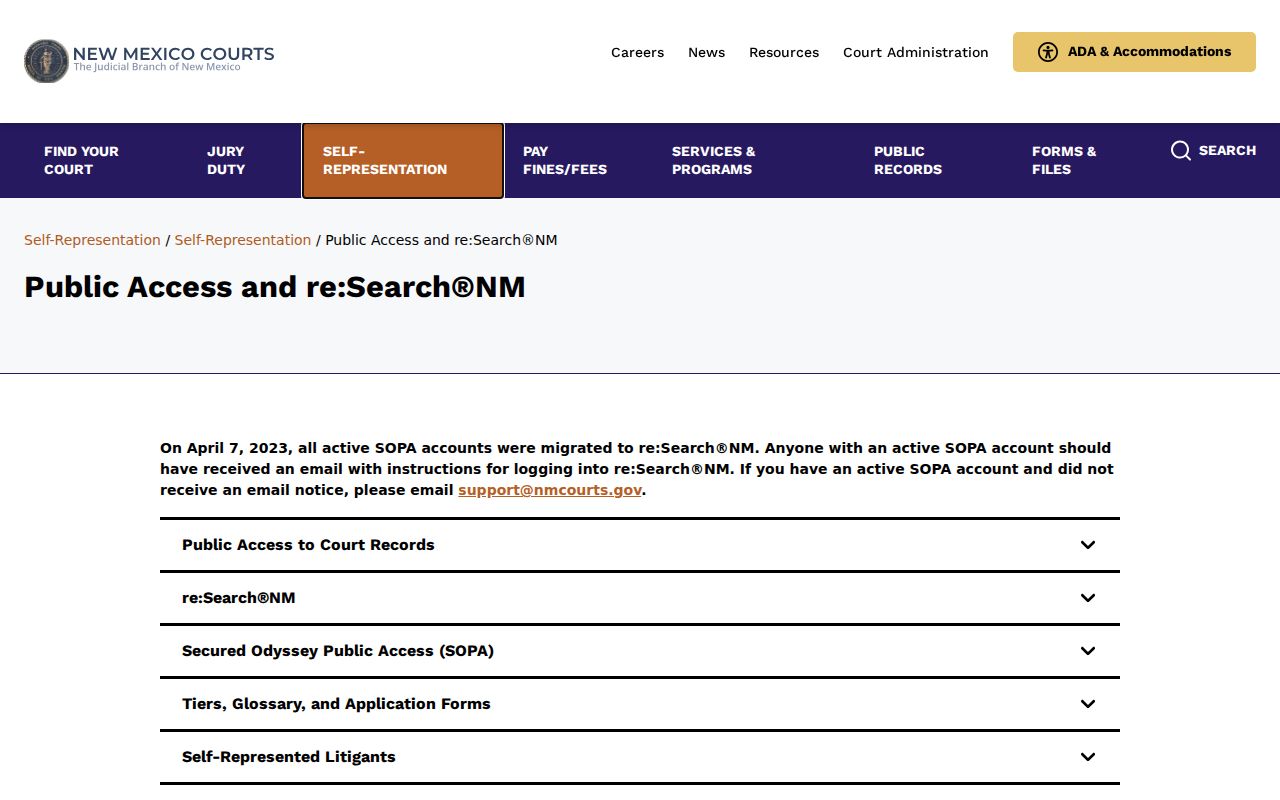
In re:SearchNM, registration and access level govern what documents a user can open, so screening a case and requesting its papers are two different tasks. The New Mexico Public Access and Research guidance spells out that split between public case information and restricted court materials.
The live Case Lookup form behaves differently depending on the browser, so treat no fixed field list as a guaranteed Albuquerque search feature. The search options a visitor sees may simply vary.
Albuquerque Court Custodian Follow-up
Once a screen points to a case, follow that court directly. Do not file a broad name request instead. Bernalillo County Metropolitan Court handles limited civil matters, misdemeanors, traffic, DWI, and related proceedings. Its Records Viewing Room sits on the first floor at 401 Lomas Boulevard NW. It is open weekdays from 7:30 a.m. to 5 p.m. The court says its records reach back to 1984. Family cases, felony trials, and larger civil matters go to the Second Judicial District Court. Probate may also require the Bernalillo County Probate Court. For a known docket or file, use the Metropolitan Court public-records request page. It is the local route. That narrow request usually moves faster than a county-wide search.
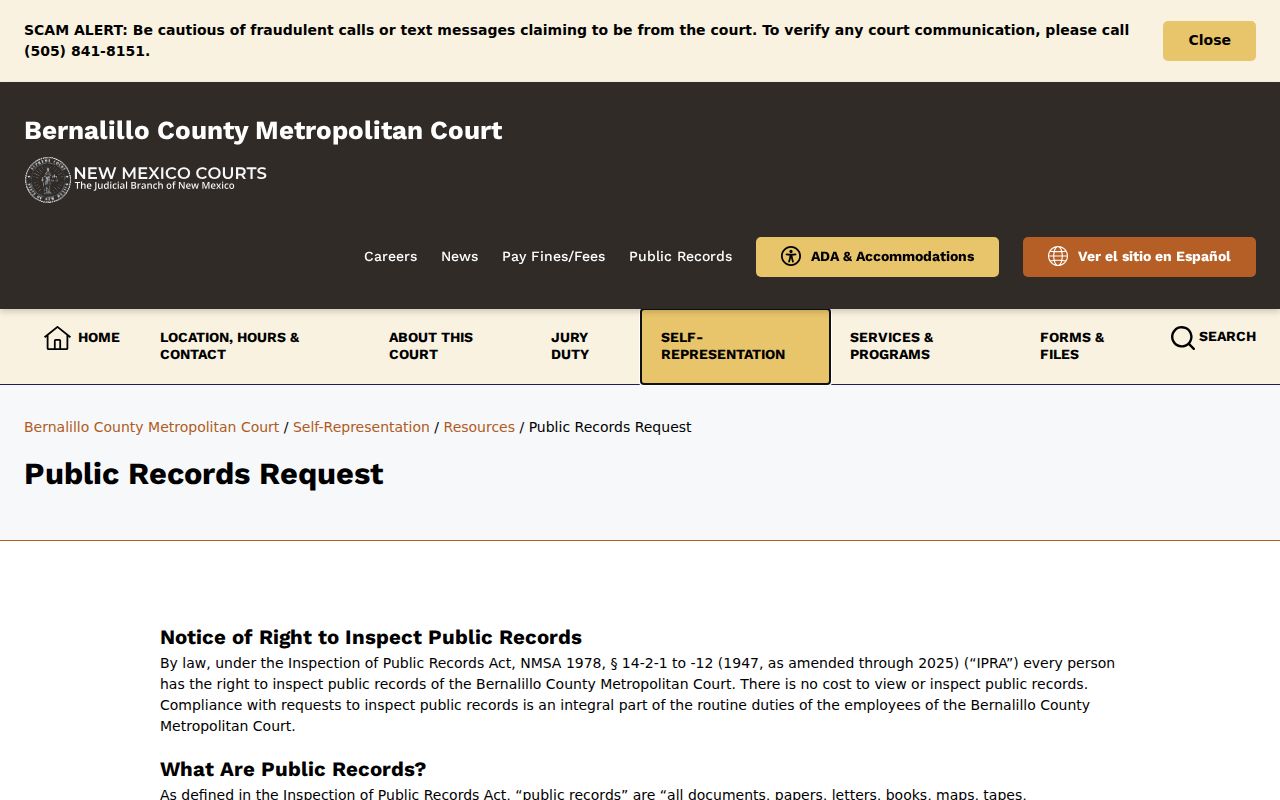
Copy charges at Metropolitan Court are posted: $0.50 per photocopy, $1 per electronic or computer transfer, $0.50 per page for certification, and $5 for a CD. Older or inaccessible judicial records take a different path. File through the New Mexico courts IPRA portal and identify the record series and case details.
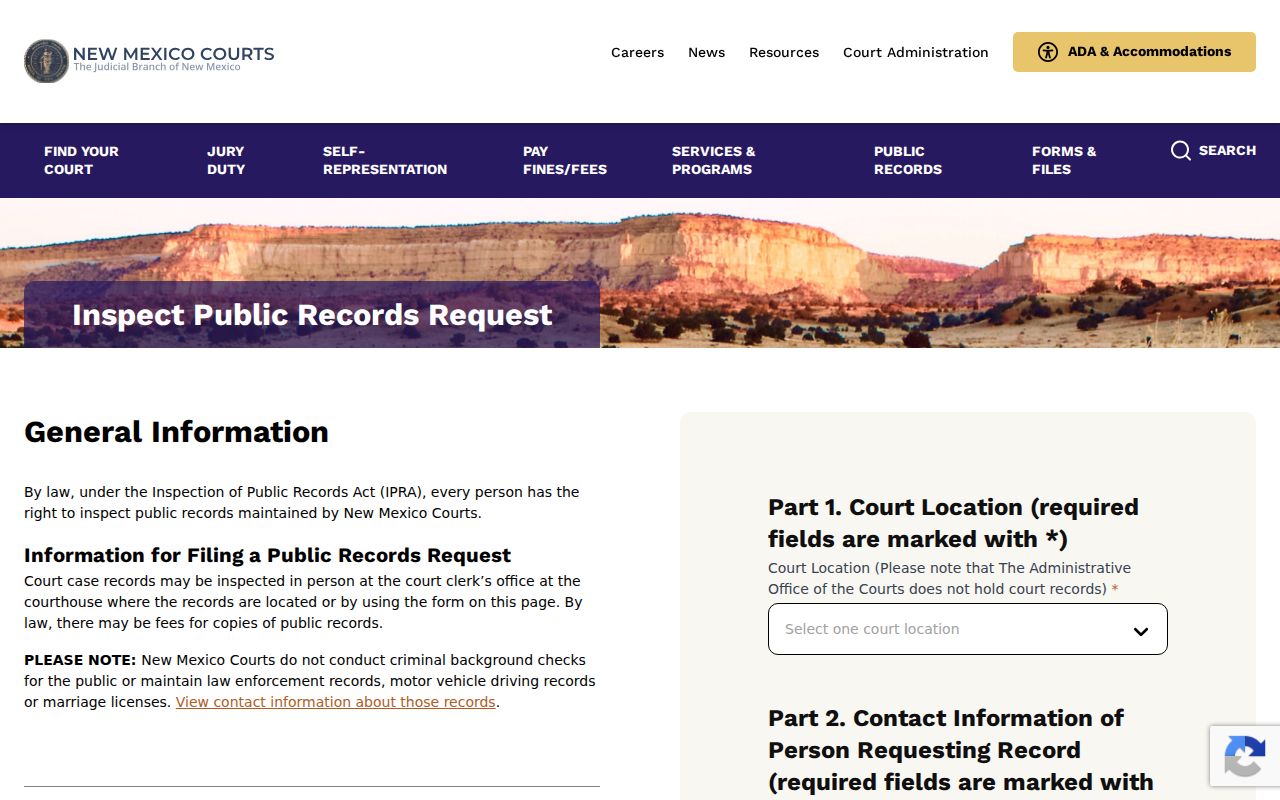
Court records from before 1997 are a recognized judicial IPRA request category. Federal matters run through PACER or a federal courthouse public terminal instead.
Albuquerque Voter Data Boundaries
New Mexico’s SERVIS voter file can list a voter’s name, address, consented phone number, birth year, party, county, and precinct or district data. It also covers voter history. Public voter information also includes full name, residence address, precinct number, registration date, party affiliation, and voting history. It adds year of birth. History means participation, never ballot choices. The official Voter Portal serves individual voters rather than public name-and-address searching. For the authorized voter-file route, the Secretary of State voter-data information page documents the process.
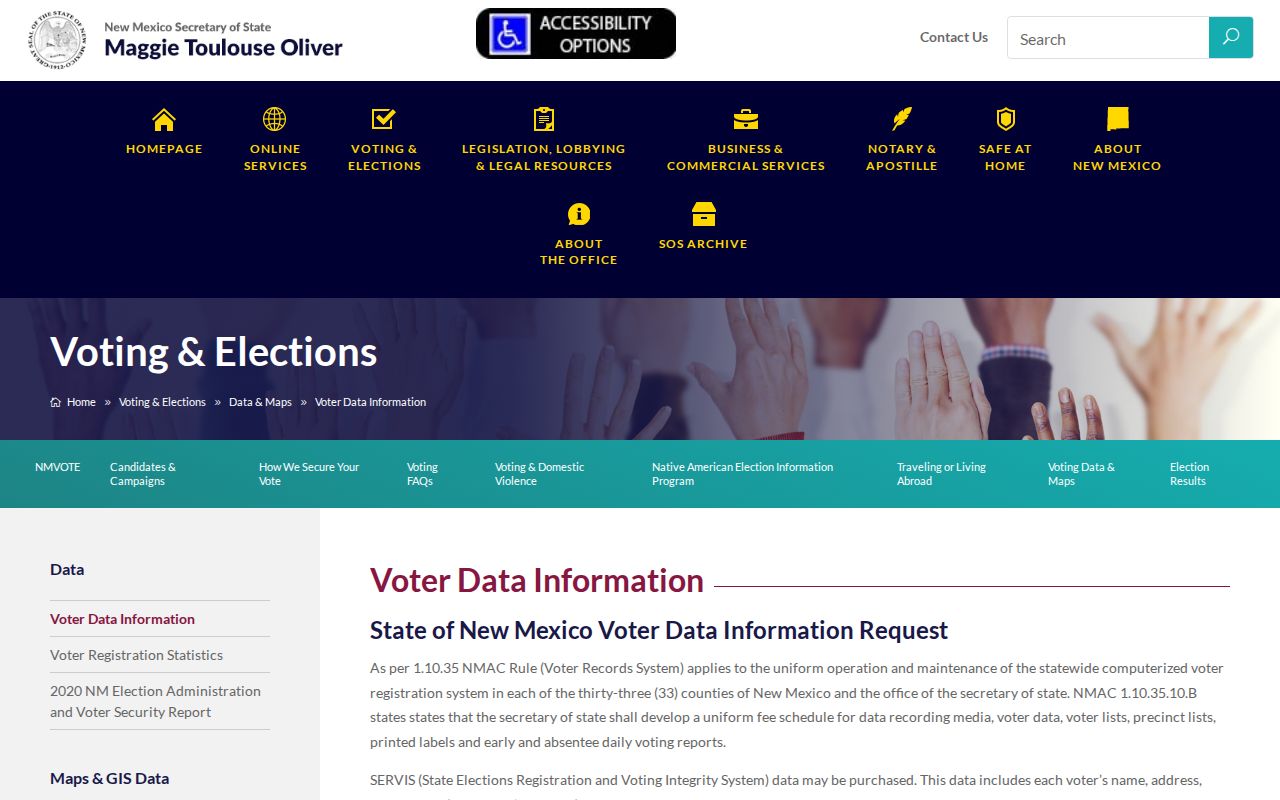
The public version of the voter file leaves out Social Security numbers, registration location, day and month of birth, non-consented phone numbers, and Safe at Home information. For a specific lawful voter-data question, the documented choices are the statewide buyer authorization form and the Bernalillo County Clerk.
Note: An absent current voter record cannot show that a person never lived at an Albuquerque address.
Verify an Albuquerque Resident
A solid Albuquerque resident lookup rests on two independent records. Start only with what is already known. That could be a full legal name, a particular address, an approximate date range, a parcel identifier, or a case number. Expect the friction. Spelling variants complicate matching. Middle initials, Spanish compound surnames, abbreviated directions, and older street names do too. An address on a tax card paired with a deed date beats a surname match every time. A directory address paired with a dated court record does the same.
- Use the Assessor owner-name route only when a plausible parcel connection exists. Save the PARID, selected tax year, situs, mailing line, legal description, and document number.
- Run the document number or legal description through Recorder Documents. Read the instrument type and parties before treating it as a transfer.
- For a known court matter, search the full name and variants in Case Lookup, then save the court and case number for the custodian.
- Request a court, marriage, divorce, birth, or death record only from its proper custodian and only when the record’s eligibility rule permits access.
- Docket
- A court’s running case record, usually organized around a case number and dated events.
- Index versus image
- An index points to a record. An image or file is the underlying document, which may have separate access limits.
- Certified copy
- A copy issued and certified by the custodian, rather than an unverified screen or search result.
- Situs
- The physical location of a parcel. It can differ from the mailing address used for tax correspondence.
Albuquerque Vital Record Routes
Vital records live with specific custodians. The New Mexico Department of Health Bureau of Vital Records and Health Statistics handles birth and death certificates for the state. That includes Albuquerque. Marriage certificates stay with the county clerk in the county where the marriage took place. Divorce decrees sit with the district court that entered them. A birth certificate is not a public identity index you can browse like a residents directory. NMDOH restricts access to the person named, certain immediate family, or anyone with a tangible legal interest. Those limits follow its historical access rules. The New Mexico vital-record access rule sets out that opening framework.
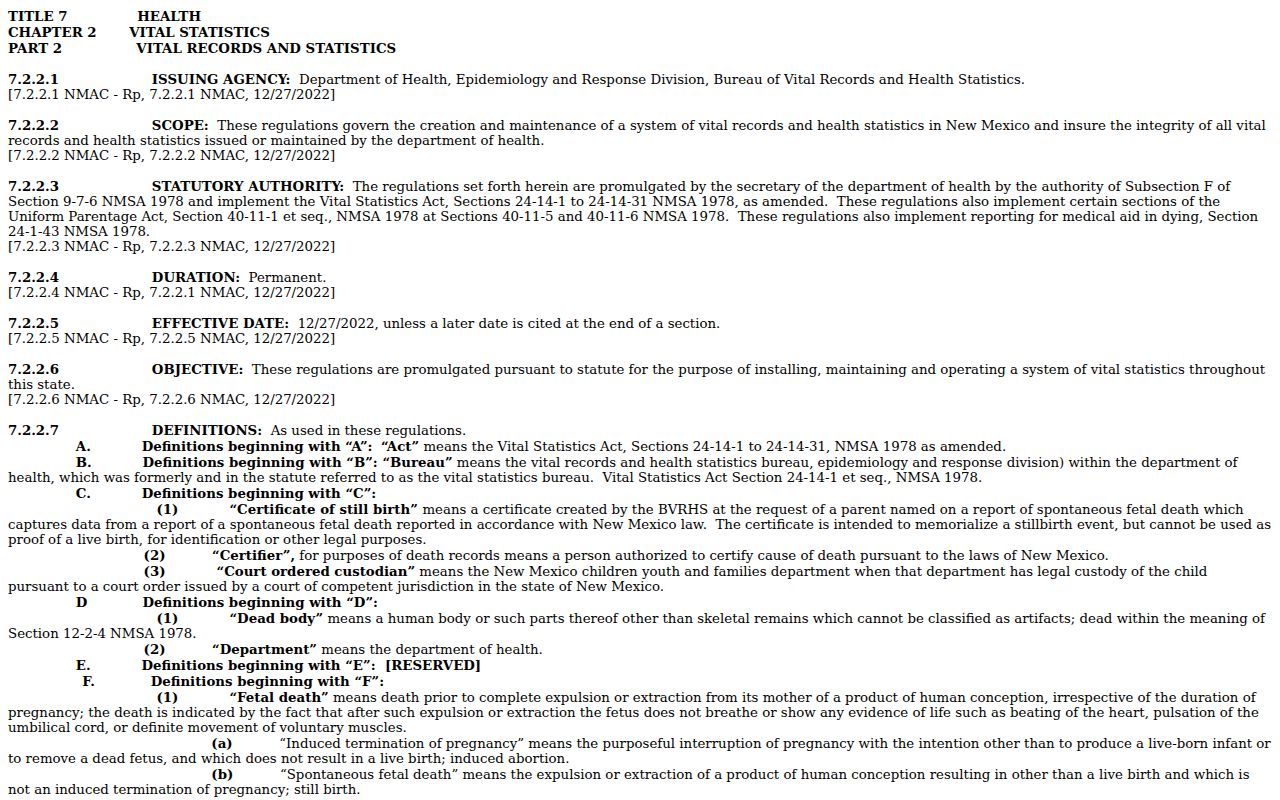
Historical openings follow a fixed clock. Birth records open after 100 years if the registrant has died. Death records open after 50. Fees differ by record type. NMDOH lists a $10 mail fee for a certified birth copy, while its current death form shows $5 per certificate plus a $10 chargeable amendment. The Albuquerque Midtown Public Health Office can guide you on birth records, but NMDOH notes that Albuquerque public-health offices do not issue death certificates, so those requests route back to the state.
Albuquerque Property Card Clues
An Assessor card helps a resident lookup when a clear property connection exists, but read it for what it is: an assessment record. A typical card carries tax-year, owner, mailing, situs, legal-description, tax-district, class, document-number, building, lot, land-use, and style fields. A changed mailing line or owner name might point to correspondence routing, an estate, a trust, an entity, a transfer, or a routine data update. It cannot tell you who stood on the property on a given day.
| Property-card field | Careful use in a resident lookup |
|---|---|
| PARID | A durable parcel identifier for matching county records. |
| Selected tax year | The time context for the displayed assessment information. |
| Situs and mailing lines | Physical parcel location and tax correspondence, which may differ. |
| Legal description and document number | Keys that can narrow a Recorder search. |
| Owner line | An owner-of-record lead, not a current-person conclusion. |
Older names and addresses call for older tools. The Special Collections Library, city directories, yearbooks, newspapers, and the State Archives all add time-stamped context that property rolls lack. The Albuquerque city directory beats a current property card for a past household tied to a specific publication year.
Albuquerque Resident Lookup No-Results
A no-result is not a verdict. Same-name collisions are common in Albuquerque. Records vanish from view for ordinary reasons too. Alternate spellings, historical street names, a date range cutoff, browser verification, system migration, or a protected category can all hide a record. Safe at Home may lawfully shield a participant's real address. Sealed, expunged, juvenile, and adoption matters may never surface. Restricted vital records and unscanned historical material carry their own access limits.
Keep an unresolved item apart from confirmed facts. When you know a public record exists, the fallback chain runs through the relevant county clerk. The court records custodian, the judicial IPRA route, Special Collections reference staff, a State Archives appointment, or an NMDOH application are further steps. A broad request asking an office to identify someone from thin clues is no substitute for a record-specific request. Ask for the record itself.
Albuquerque Resident Lookup Limits
New Mexico's Inspection of Public Records Act does not sweep aside every limit. It yields to vital-record confidentiality under NMSA 1978 §24-14-27, court sealing, protected voter fields, and Safe at Home address protection. So a records office can lawfully decline part of a request.
When an official record looks wrong, go to the office that published it and ask about its correction process. The Assessor handles a property card. The County Clerk handles recording issues. The Secretary of State or county elections office handles voter data, and the court clerk handles a case entry; NMDOH sorts out vital records. Tie each correction request to the actual record and data element, since vague complaints rarely move.
Lawful use. Use Albuquerque resident records for lawful personal research, family history, estate questions, or civic transparency. Safe at Home protections must be respected, and New Mexico’s Harassment and Stalking Act forbids stalking or harassment.